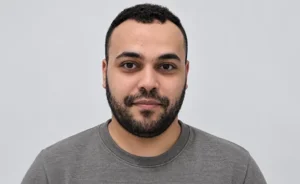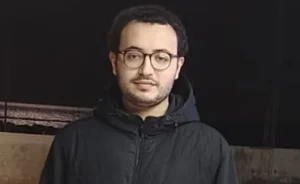
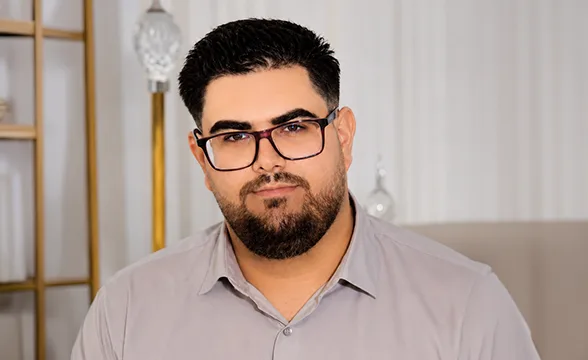
The death of prisoner Salem Karmous inside Messaadine Prison in Sousse Governorate—occurring just two weeks after his incarceration—has raised serious questions regarding the circumstances of his passing. His father, in a statement recorded by the website Nawaat, reported observing signs of beating, bruises, and blue marks on his son’s body and head while preparing the remains for burial. He emphasized that, prior to his imprisonment, his son suffered from no medical condition that could explain such a sudden death.
Salem Karmous was a Tunisian national who lived and worked in France; he had returned to Tunisia in the summer of 2026 to prepare for his wedding and was expected to return to France later with his wife. As his parents’ only son, his family had been preparing for his wedding when his return to Tunisia ended with his imprisonment and subsequent death.
From a Violent Incident to a Prison Sentence
The original case stemmed from a verbal altercation and scuffle between Salem Karmous and another young man, which escalated into a physical fight. According to his father’s account, Salem was brought before the Public Prosecutor on July 1, 2026. On July 3, a court of first instance handed down a sentence of eight months in prison, leading to his incarceration at Messaadine Prison.
During the trial, the defense presented details regarding Salem’s personal and family circumstances, including his residence and employment in France, his upcoming wedding, and his mother’s precarious health condition. His lawyer also noted that the injured party in the case did not attend the hearing nor appoint a representative, and that the case file at the time did not include a medical certificate specifying the required recovery period.
During the trial, Salem was asked if he would accept performing community service, but the court ultimately sentenced him to eight months in prison. His defense team appealed the verdict, while the family awaited a hearing date at the Court of Appeal, hoping for his release or a review of the sentence.
Death two weeks after incarceration
According to his father’s account, Salem had begun to gradually adjust to prison life, particularly after meeting several inmates he knew. However, the family was soon informed of his death on July 19, 2026—just sixteen days after his imprisonment and before the Court of Appeal could hear his case.
His death occurred during a period of tension at Messaadine Prison, amidst circulating reports of a fire and panic within the facility—reports that the authorities denied.
The family states that they received no adequate explanation from the prison administration or the hospital regarding what happened to Salem in the time leading up to his death, or regarding the progression of his condition prior to the announcement of his passing.
Family reports signs of blows and bruising
The testimony of Salem’s father—recorded by the website Nawaat—is particularly significant; he reported that while washing his son’s body in preparation for burial, the family observed marks they attributed to blows, as well as bruises and blue discolorations on the body and head. The father emphasized that, prior to his imprisonment, Salem did not suffer from any known illness that could explain his sudden death to the family; this has prompted them to demand the truth regarding what he endured within the prison facility and the circumstances leading up to his death.
While an external examination of the body alone cannot conclusively determine the cause of death or the origin of injuries, it renders the forensic report, autopsy results, and judicial investigation essential for establishing the nature of the injuries, the time they were sustained, and their link to the death.
Salem’s Final Hours
Key questions surrounding the case focus on the final hours and days Salem Karmous spent in Messaadine Prison, particularly during a period marked by tension within the facility.
The investigation must determine his whereabouts during those events, whether he was assaulted or injured inside the prison, and whether the prison administration recorded any injuries or subjected him to a medical examination. It must also establish when his condition began to deteriorate, the circumstances of his transfer to the hospital (including whether he was alive upon arrival), the party that confirmed the death, and the initial medical cause recorded.
These details are particularly significant given that Salem died while deprived of his liberty and under the direct responsibility of the State; this entails a special obligation to protect his life and physical integrity and to provide a clear, documented explanation for any death occurring in custody.
Position of the Freedom for Tunisia Observatory
The Freedom for Tunisia Observatory expresses deep concern regarding the death of Salem Karmous in Messaadine Prison shortly after his incarceration. This concern is heightened by his father’s testimony regarding bruises and signs of injury on the body, as well as the lack of sufficient explanations provided to the family concerning the circumstances leading up to his death. The Observatory asserts that the death of any individual in custody places a heightened responsibility on the State to provide a full and documented explanation, given that the prisoner is under its direct authority and lacks the freedom to choose their living conditions or independently access medical care and protection.
Furthermore, the Observatory maintains that the presence of visible signs of injury—as reported by the family—necessitates the opening of a serious and independent judicial investigation. This inquiry must go beyond merely establishing the immediate medical cause of death to also determine the origin and timing of the injuries, as well as identify the individuals who were in contact with Salem during his final days.
The Observatory emphasizes the need to reconstruct the final hours of his life in prison and to verify his connection to events occurring within the facility, his access to necessary medical care, the timing of his transfer to the hospital, and the circumstances under which doctors pronounced his death.
The Observatory holds that the family’s right to know the truth is no less important than establishing criminal or administrative liability, and that withholding or delaying information exacerbates suspicions surrounding any death occurring within a penal institution.
Demands of the Freedom for Tunisia Observatory
- The Tunisia Freedom Observatory calls for an independent and transparent judicial investigation into the death of Salem Karmous within Al-Messaadine Prison, covering all circumstances preceding the death and the events that took place in the prison during that period.
- It also demands a full forensic autopsy and the disclosure of its results to the family and their lawyer, while determining the nature of the bruises and injuries mentioned by his father, the time they were sustained, and their connection to the death.
- The Observatory calls for the preservation of all surveillance camera footage from within the prison, as well as records regarding guard duties, inmate movements, medical treatment, the prisoner’s medical file, and logs of patient or injury transfers, ensuring that no material that could aid the investigation is destroyed.
- It further demands that statements be taken from fellow inmates, prison staff, and medical and paramedical personnel who interacted with him during his final days, and that a precise timeline be established regarding the deterioration of his condition—from the last moment he was in a normal state of health until his death was announced.
- Finally, the Observatory calls for the family to be provided with full information regarding the circumstances of the death—rather than relying on verbal or vague responses—and for criminal and administrative accountability to be enforced should the investigation confirm the use of violence, negligence in providing medical care, or any breach of the duty to protect the prisoner.