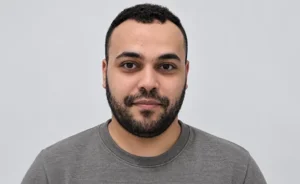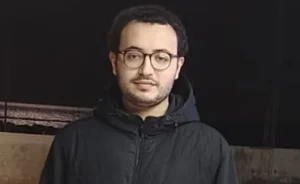
September 15, 2026 – The family of Lebanese-French engineer and businessman Ali Kassem Kassab has called for an independent and transparent investigation to uncover the circumstances surrounding his arrest, detention, and death in Tunisia in late August 2026. Kassab had spent approximately two months in Mornaguia Civil Prison; his family insists on uncovering all details of the case and establishing legal accountability.
Kassab had arrived in Tunisia from Paris for a summer vacation before being arrested and imprisoned. A Lebanese national who also held French citizenship and was married to a Tunisian woman, he had a professional and investment career spanning several countries, including Tunisia.
Following his death, his body was transported to Lebanon for burial. Meanwhile, his family has announced its intention to pursue legal proceedings to reveal the grounds for his arrest and the events that transpired during his detention leading up to his death.
Family Demands Disclosure of Reasons for Arrest
In a statement received by the Observatory, the family raised a series of questions regarding the actual reasons for the restriction of Ali Kassem Kassab’s liberty, the legal basis for the measures taken against him, the entity responsible for the decisions regarding his arrest, and whether any prior actions or communications had taken place.
They also demanded a full account of the sequence of events—starting from his arrival in Tunisia and arrest, through his detention at Mornaguia Prison, to the deterioration of his health and his eventual death. The family emphasized that their request for this information does not imply a prior accusation against any party; rather, it is based on their right to know the truth of what happened and to establish accountability through the judicial system.
Conditions in Tunisian prisons: High temperatures, thirst, and inadequate healthcare
Following the death of Ali Kassab, testimonies shared with the Observatory described the harsh detention conditions he endured during the heatwave that struck Tunisia. These accounts emerge amidst a growing number of reports regarding overcrowding, water shortages, and poor ventilation and healthcare in several Tunisian prisons during the summer months.
The Freedom for Tunisia Observatory had previously received reports concerning more than 22 prisoner deaths during July and August 2026; it continues to verify the circumstances of each case, communicate with the families of the deceased, and gather relevant documentation.
In the case of Ali Kassem Kassab, these circumstances necessitate an investigation into the water supply available to him, the ventilation and temperature within his detention area, his health status during his weeks in prison, any complaints or medical requests he submitted, and the timing of medical intervention prior to his death.
Family rejects any link to political organizations
The Kassab family categorically rejected circulating claims regarding his affiliation with any political party, organization, or faction, asserting that he was not a political activist and that his life centered on his family, business, and projects.
This stance follows the circulation of accounts linking his arrest to his inclusion on a U.S. list associated with Lebanese businessmen who support the resistance movements in Palestine and Lebanon. The family emphasizes that these accounts do not reflect their views. They have called upon media outlets and social media users to refrain—without verification—from attributing specific stances or affiliations to Ali Kassem Kassab, and to avoid turning his case and death into a subject of political contention.
Over Twenty Years in Technology and Investment
According to information provided by Ali Kassem Kassab’s family to the Freedom for Tunisia Observatory, his professional career spanned more than twenty years across the fields of technology, investment, fintech, and digital transformation.
He left Lebanon at the age of seventeen for France to pursue his university studies, founding his first startup at the age of twenty-three. His business operations later expanded across Europe, the Middle East, and Africa; he founded and co-developed companies and projects specializing in software, cloud solutions, telecommunications, digital payments, fintech, and blockchain technologies.
The family reports that in 2017, he launched a major kiosk-based payment service platform in the UAE, which contributed to the digitization of dozens of government and banking services. His business activities subsequently expanded into tech investments and asset management.
Tunisia was also a key location for his professional activities, where he established and developed businesses in the technology and digital services sectors. His projects helped attract and employ skilled professionals across technical, financial, and administrative fields.
State Responsibility for the Detainee’s Life
International human rights law affirms that an individual does not lose their right to life, health, and dignity simply by being deprived of liberty. Instead, the State bears direct responsibility for meeting the individual’s basic needs and protecting them from risks within the place of detention that they cannot avoid on their own. The Nelson Mandela Rules stipulate the necessity of providing prisoners with drinking water whenever they need it and ensuring adequate conditions regarding ventilation, temperature, space, and healthcare, alongside the provision of medical treatment without discrimination.
Furthermore, a death in custody mandates a prompt, effective, and independent investigation. This must include the preservation of documents, medical evidence, and records related to the prisoner, as well as the determination of the circumstances preceding the death and any potential liability.
In the case of Ali Kassem Kassab, the required investigation is not limited to establishing the immediate medical cause of death; it must also encompass the conditions of his two-month detention, his health status, the availability of water, ventilation, and medical care, the timing of any health deterioration, and the manner in which he was treated up until the moment of his death.
Right to Consular Protection
Ali Kassem Kassab holds both Lebanese and French citizenship, which raises the issue of respect for his consular rights during his detention in Tunisia.
Regulations governing consular relations require that a detained foreign national be enabled to communicate with their country’s consular authorities upon request, and that the necessary legal and consular assistance be made available to them.
The family demands the disclosure of all measures taken in this regard, as well as the extent to which Lebanese and French authorities were informed or intervened during the period of his detention.
Position of the Freedom for Tunisia Observatory
The Freedom for Tunisia Observatory expresses its deep concern and condemnation regarding the death of engineer and businessman Ali Kassem Kassab while in custody in Tunisia. It calls for an independent and transparent judicial investigation covering the entire period from his arrest to his death, aiming to precisely determine the legal basis for his detention, the conditions of his imprisonment, the care he received, and the causes of his death.
The Observatory asserts that the death of an individual just two months after being deprived of liberty places a direct obligation on the authorities to provide all data and documents regarding his judicial and health status, and to grant his family and their lawyers access to this information.
The Observatory also emphasizes the necessity of investigating factors such as heat, thirst, and the lack of healthcare within the prison, and determining whether detention conditions contributed to the deterioration of his health or his death.
Furthermore, the Observatory maintains that any security-related or financial accusation—regardless of its nature—does not absolve the authorities of their duty to ensure the safety and dignity of the detained individual, nor of the obligation to provide necessary medical treatment, water, and humane conditions.
The Observatory expresses concern that Ali Kassem Kassab’s death coincides with a series of deaths in Tunisian prisons during the summer months. It considers that the recurrence of incidents and testimonies regarding water shortages, heat, overcrowding, and inadequate healthcare necessitates a broad national inquiry into prison conditions and the responsibility of the Ministry of Justice and the General Directorate of Prisons and Rehabilitation for ensuring the safety of detainees.
Finally, the Observatory calls upon Lebanese and French authorities to actively follow up on the case and support the Kassab family in obtaining judicial and medical documents and accessing investigation findings, while urging Tunisian authorities to cooperate fully to uncover the truth.
The Freedom for Tunisia Observatory calls for:
- Opening an independent and transparent judicial investigation into the circumstances surrounding the arrest, detention, and death of Ali Kassem Kassab.
- Disclosing the legal basis for his arrest, the charges and judicial decisions issued against him, and granting his family and legal counsel full access to all documents related to the case.
- Determining the precise medical cause of death and providing the family with the medical report, the forensic report, and the complete medical record.
- Investigating conditions regarding temperature, ventilation, the provision of drinking water, and healthcare within the facility where he was detained.
- Establishing the timeline of his health deterioration and the medical measures taken to treat and transport him for care.
- Disclosing the extent to which his consular rights were respected and whether he was permitted to communicate with Lebanese or French authorities during his detention.
- Guaranteeing the family’s right to review all findings of medical and judicial investigations and to follow up on them through their lawyers.
- Holding accountable anyone found responsible for negligence, failure to act, or violations that contributed to the deterioration of his condition or his death.
- Launching a broader investigation into deaths recorded in prisons during the summer months and revealing their causes and circumstances.
- Reviewing the judicial overuse of pretrial detention and implementing alternatives to detention whenever there is no actual necessity to deprive individuals of their liberty—particularly regarding the sick, the elderly, and groups most vulnerable to health risks.