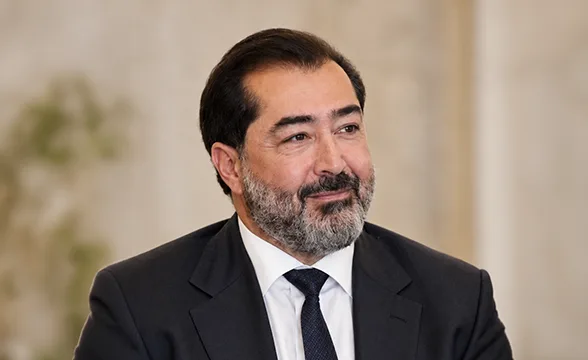
November 4, 2026 – The family of Lebanese-French engineer and businessman Ali Kassem Kassab has initiated legal proceedings in France through the French Public Prosecutor’s Office, seeking to establish the circumstances of his death while in detention in Tunisia and determine legal responsibility. These steps are being pursued alongside ongoing proceedings in Tunisia and a petition submitted to the President of the Republic calling for an expanded investigation.
The announcement was made in the fourth statement issued by Ali Kassem Kassab’s family, a copy of which was received by the Freedom for Tunisia Observatory. In the statement, the family reaffirmed its determination to pursue legal action to establish the full truth about the circumstances of his arrest, detention and death in Tunisia on August 29, 2026.
Kassab, a Lebanese engineer and businessman holding French citizenship, died approximately two months after his arrest and detention in Tunisia. His family continues to demand disclosure of the circumstances surrounding his death and a thorough investigation into the case.
Family Not Given an Official Report on the Death
The family confirmed that it has not received any official or judicial report explaining the circumstances, causes or manner of death. Nor has it received sufficient official clarification regarding the conditions of his detention and the events preceding his death.
The family considers that the continued absence of such information is incompatible with the obligation to conduct a serious and transparent investigation into the death of a person who was in custody and under the responsibility of the authorities.
It has called for an official, documented explanation of the circumstances and causes of death, a serious, independent and transparent investigation, an expansion of the scope of that investigation, and full disclosure of its findings.
Calls for the Preservation of All Evidence and Records
The family particularly emphasised the need to preserve all evidence, documents and records connected to the case, including information concerning the circumstances of Kassab’s arrest, detention and death.
It stressed that preserving evidence is a legal obligation incumbent upon the competent authorities, not merely a request from the family, warning that any destruction, concealment, delay or failure to preserve such evidence could give rise to liability for those found responsible.
The family also called for responsibility to be established on the basis of facts and evidence, and for anyone found responsible to be brought before the courts.
It emphasised that it was not making premature accusations against any particular individuals but rejected any attempt to close the case before the truth had been established and those responsible held accountable.
Legal Proceedings in France Alongside Those in Tunisia
The family announced that it had initiated legal proceedings in France through the French Public Prosecutor’s Office, given Ali Kassem Kassab’s French nationality, while continuing to pursue legal procedures in Tunisia.
The family has also submitted a petition to President Kais Saied calling for an expanded investigation, clarification of the legal grounds on which the authorities restricted Kassab’s liberty, and full disclosure of all the circumstances surrounding his arrest, detention and eventual death.
The family reaffirmed that it would continue to pursue all available national and international judicial and human rights mechanisms until the complete truth is established.
Demands for Disclosure of the Legal Basis for His Arrest and the Conditions of His Detention
The family also raised questions concerning the legal basis for Ali Kassem Kassab’s arrest and continued detention, as well as the conditions of his imprisonment, particularly his health and the medical care he received before his death.
In previous statements, the family had called for disclosure of the reasons why applications for his release were rejected and clarification of the measures taken by the responsible authorities following the deterioration of his health.
These demands come amid the continued absence of a comprehensive official explanation of the precise medical causes of death and the events that occurred during the hours and days preceding it.
Plans to Engage Media and Human Rights Organisations
The family also announced its intention to engage with the media in its role as an independent public watchdog and to keep the public informed of developments in the case, including relevant documents and information.
It also called on media outlets and human rights organisations to follow the case with professionalism and accuracy, emphasising that establishing the truth about Kassab’s death is a right belonging both to the family and to society, and that the case must not remain without clear answers.
The family stressed that the absence of official information does not extinguish its right to truth, justice and accountability, and that it would continue its legal and institutional efforts until the facts are clarified and the outstanding questions answered.
Position of the Freedom for Tunisia Observatory
The Freedom for Tunisia Observatory supports the decision of Ali Kassem Kassab’s family to turn to the French courts while continuing legal proceedings in Tunisia. It considers that the pursuit of multiple judicial avenues reflects the seriousness of the continued absence of clear official answers more than two months after his death in custody.
The Observatory emphasises that the death of any person while under state authority gives rise to a heightened obligation to conduct a prompt, independent and transparent investigation, establish the immediate medical cause of death, examine the circumstances preceding it, and determine whether the detainee received the necessary healthcare in a timely manner.
The Observatory expresses its grave concern that Kassab’s family has still not received an official or judicial report explaining the circumstances of his death. It considers that the continued withholding or absence of such information increases the authorities’ responsibility to provide an official, documented account supported by medical records, forensic reports and prison records.
The Observatory also stresses the importance of preserving all evidence, recordings, and medical, administrative and security records relating to Ali Kassem Kassab’s detention, as these constitute essential elements of any serious investigation into potential responsibility.
The Observatory recalls that Kassab’s death occurred in a context in which more than 23 deaths were documented inside Tunisian prisons during the summer of 2026, alongside repeated complaints concerning overcrowding, high temperatures, inadequate ventilation, water shortages and insufficient healthcare.
This situation requires a broader investigation into detention conditions and the extent to which prisoners’ rights to health and life are respected.
The Freedom for Tunisia Observatory holds the President of the Republic, the Ministry of Justice, the Ministry of Health, and all relevant bodies, ministries and public institutions, foremost among them the General Directorate of Prisons and Rehabilitation, the administration of Mornaguia Civil Prison and its officers, fully politically, administratively and institutionally responsible for protecting Ali Kassem Kassab’s life, physical integrity and health throughout his detention, and for the circumstances that culminated in his death while under state authority.
The Observatory also holds these authorities fully responsible for establishing all the circumstances surrounding his death, preserving evidence, documents, and medical and security records, identifying any shortcomings, negligence or misconduct where established, and ensuring that everyone found responsible is held accountable before the courts, regardless of their position or status.
The Freedom for Tunisia Observatory Calls For:
- The opening of an independent, comprehensive and transparent judicial investigation into the circumstances of Ali Kassem Kassab’s arrest, detention and death, and the publication of the investigation’s findings.
- Full access for his family and lawyers to the forensic medical report, his medical file and all official documents relating to the circumstances of his death.
- Disclosure of the legal basis for his arrest and continued detention, together with an explanation of the reasons why applications for his release were rejected.
- The preservation of all recordings, documents, and medical, administrative and security records relating to his detention, with guarantees that no evidence potentially relevant to the investigation is destroyed or altered.
- The identification of individual, administrative and judicial responsibility for any established failures in healthcare or in the handling of his medical condition before his death, and the referral of those responsible to the courts.
- Full cooperation with the judicial proceedings initiated by the family in France, including the provision of documents and information requested by the competent judicial authorities.
- The opening of an independent investigation into the increase in deaths inside Tunisian prisons during the summer of 2026, and the adoption of urgent measures to improve detention conditions, healthcare, ventilation and access to drinking water.
- The release of political detainees, prisoners suffering from illness, elderly prisoners and those who pose no threat to public safety, together with the adoption of lawful alternatives to detention.