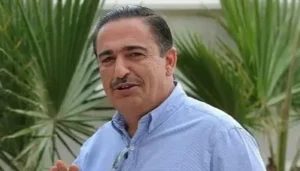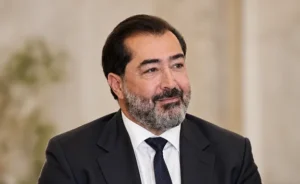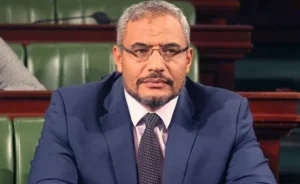
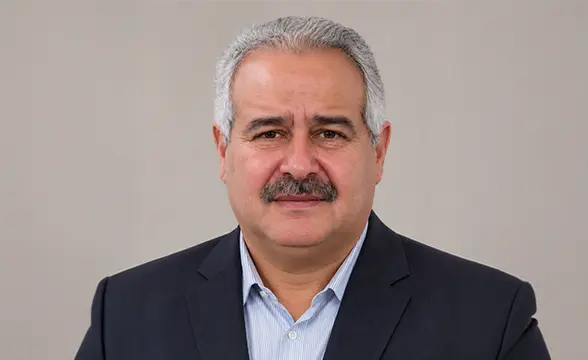
November 3, 2026 – The Fifth Criminal Chamber specialising in terrorism cases at the Tunis Court of First Instance has upheld the judgment rendered in absentia against businessman Ali Hlioui, sentencing him to 33 years in prison with immediate enforcement, after accepting his objection to the judgment on procedural grounds in the case commonly known as “Conspiracy Against State Security 1”.
Charges Relating to State Security and Terrorism-Related Offences
Ali Hlioui’s conviction involved charges relating to conspiracy against Tunisia’s internal and external state security in connection with terrorism-related offences, alongside other allegations concerning harm to food and environmental security and the provision or dissemination of information for the benefit of a criminal association or individuals linked to terrorist offences.
According to the judicial decision, the sentences imposed concerned several charges, including five years for conspiracy against internal state security, five years for conspiracy against external state security, eight years for allegations relating to food and environmental security, and ten years for acts involving the provision or dissemination of information to entities linked to terrorist offences.
An additional five-year sentence was imposed for establishing contacts with agents of a foreign state with the intention of harming Tunisia’s diplomatic position.
Arrest Following the Judgment Rendered in Absentia
Ali Hlioui was initially tried in absentia, before being arrested on June 14, 2025, in Bizerte Governorate.
He was imprisoned in enforcement of the judgment issued against him before lodging a formal objection to the judgment rendered in absentia, in accordance with the legal procedures available to persons convicted in their absence.
During the proceedings examining his objection, the court rejected applications for his release before ultimately upholding the previous sentence on October 30, 2026.
A Case Involving Dozens of Politicians and Businesspeople
Ali Hlioui’s case forms part of the proceedings commonly known as “Conspiracy Against State Security 1”, which involved dozens of defendants, including politicians, businesspeople, lawyers, activists and public figures.
The case resulted in severe prison sentences ranging from several years to 45 years. It subsequently passed through appeal and cassation proceedings, during which some sentences were modified while others were upheld.
In September 2026, the Court of Cassation rejected appeals against final judgments concerning a large number of those convicted, thereby confirming lengthy prison sentences against several prominent political opposition figures.
Position of the Freedom for Tunisia Observatory
The Freedom for Tunisia Observatory condemns the decision to uphold the 33-year prison sentence imposed on businessman Ali Hlioui in the “Conspiracy Against State Security 1” case. It considers that the severity of the sentence requires clear disclosure of the specific material acts and evidence relied upon by the court to establish each charge against him individually.
The Observatory expresses concern over the continued imposition and confirmation of prison sentences extending over several decades in a case that has faced widespread criticism from the outset regarding the nature of the evidence and guarantees of a fair trial, particularly given that some of the alleged facts concern communications and relationships between politicians, businesspeople and public figures.
The Observatory emphasises that political or professional relationships, or communications between businesspeople and opposition figures, cannot in themselves constitute evidence of conspiracy or terrorism without proof of specific criminal acts, direct criminal intent and actual participation in a criminal plan.
The Observatory further stresses the need to clarify the legal basis and factual circumstances relied upon by the court in convicting Ali Hlioui of charges relating to food and environmental security, including identifying the specific acts attributed to him and the evidence establishing his responsibility, in order to ensure clarity of the charges and respect for defence rights and the principle of legal certainty.
The Observatory considers that sentences extending to three decades of imprisonment require the highest standards of precision and transparency in the presentation of evidence and judicial reasoning, particularly in cases involving political and security-related allegations. This is essential to prevent legislation concerning state security and counterterrorism from becoming an instrument for punishing political activity and opposition to the authorities.
The Observatory reiterates its opposition to the use of counter-terrorism legislation to criminalise peaceful political activity or relationships between political and economic actors. It emphasises that combating serious crimes must never come at the expense of fair trial guarantees and the rights of the defence.
The Freedom for Tunisia Observatory Calls For:
- A review of the judgment against Ali Hlioui through all available legal mechanisms, ensuring that the evidence and alleged facts are re-examined individually and thoroughly.
- Disclosure of the factual basis underlying each charge for which he was convicted, particularly those relating to conspiracy against state security and harm to food and environmental security.
- The exclusion of political or professional communications and relationships from the scope of criminal liability unless accompanied by clear evidence of specific criminal acts.
- An end to the expansive use of counterterrorism and state security legislation against opposition figures, businesspeople and public figures on account of their legitimate political relationships or communications.
- Guarantees that defendants can appear physically before the court and communicate directly and confidentially with their lawyers, and that remote hearings are not imposed where they undermine defence rights or effective participation in the trial.
- The annulment of the judgments issued in the “Conspiracy Against State Security 1” case and the retrial of the defendants under conditions guaranteeing judicial independence and impartiality, physical presence before the court, direct and confidential communication with defence counsel, and full examination and challenge of the evidence, while ending the use of state security and counter-terrorism proceedings to target opposition figures and criminalise peaceful political activity.